
When Your Heart Pays the Price for PoorSleep: What You Need to Know AboutSleep Apnea and Cardiovascular Risk
The connection between obstructive sleep apnea and heart disease is well-established — and still widely overlooked.
Most people who snore loudly, wake up gasping, or drag themselves through the day on eight hours of sleep think they have a fatigue problem. What many don’t realize is that those interrupted nights may be quietly straining one of the most important organs in the body.
Obstructive sleep apnea (OSA) doesn’t just disrupt rest. Every time the airway collapses and breathing stops — which can happen dozens or even hundreds of times per night — the body responds with a surge of stress hormones, a spike in blood pressure, and a drop in oxygen. Multiply that by seven nights a week, fifty-two weeks a year, and the cumulative toll on the heart and blood vessels becomes significant.
The research backing this connection is no longer emerging — it’s established. What’s still lagging is recognition: among patients, in primary care offices, and even in many dental and medical practices where screening opportunities exist but go unused. Understanding why sleep apnea affects the heart, and what can actually be done about it, is where that gap starts to close.
How Sleep Apnea Affects the Heart
So what exactly is the connection between sleep apnea and heart disease?
The link is both well-documented and direct. OSA increases the risk for coronary artery disease, hypertension, atrial fibrillation, and cardiovascular mortality (Otero, 2024). Each time the airway collapses during sleep, intermittent hypoxia triggers a chain of events — sympathetic nervous system activation, systemic inflammation, oxidative stress, endothelial dysfunction, and eventually atherosclerosis (van der Veld et al., 2018). Over time, this process raises the risk of heart attack, arrhythmias, and stroke. It’s not a shared risk factor story; the mechanism runs straight from disrupted breathing to damaged vessels.
Does this mean sleep apnea causes high blood pressure?
For many patients, yes. Repetitive breathing interruptions provoke overnight hypertension, and that elevation doesn’t always reset by morning (Loomba & Arora, as cited in AADSM, 2013). What makes this particularly difficult to manage is that the relationship runs in both directions: OSA can lead to or worsen hypertension, and hypertension can in turn worsen OSA (Linz et al.,
2018). Patients with resistant or poorly controlled blood pressure — the kind that doesn’t fully respond to medication — are specifically flagged by the American Heart Association as a group who should be screened for sleep apnea.
Who actually gets this? Is it just older adults or people who are overweight?
That’s one of the most persistent misconceptions. OSA carries increased cardiovascular risk in adults of all ages, including those under 40 (UT Southwestern Medical Center, 2024). Globally, an estimated 425 million adults have OSA, with roughly 54 million in the United States alone — placing all of them at elevated risk for cardiovascular disease, the leading cause of death worldwide (Labarca et al., 2023). Many of these people have never been diagnosed and don’t connect their symptoms to anything beyond poor sleep.
What is the heart actually going through during an apnea episode?
Each event is a brief cardiovascular stress test. NIH-supported research identified three physiological burdens driving the cardiovascular risk: hypoxic burden (reduced blood oxygen), ventilatory burden (breathing obstruction), and nighttime arousals that trigger spikes in heart rate and blood pressure (Labarca et al., 2023). Underlying all of this is a multifactorial process involving sympathetic nervous system overactivity, inflammatory pathway activation, endothelial dysfunction, abnormal coagulation, and metabolic dysregulation — including insulin resistance and disordered lipid metabolism (McNicholas & Bonsignore, 2007). When that runs every night, the vascular aging it produces isn’t subtle.
What about atrial fibrillation — is there a connection there too?
A significant one. The prevalence of OSA among patients with atrial fibrillation ranges from
32% to 49%, and AFib prevalence tracks directly with OSA severity (Iwasaki, 2022). Elevated intrathoracic pressure, autonomic nervous system dysregulation, and chronic inflammation are all thought to contribute (AADSM, n.d.). Perhaps more clinically relevant: patients with untreated OSA who undergo cardioversion or ablation face a meaningfully higher risk of AFib returning. The arrhythmia often comes back not because the procedure failed, but because the underlying driver was never addressed.
Can treating sleep apnea actually reverse some of this cardiovascular damage?
The evidence is encouraging. Among OSA patients previously treated for atrial fibrillation, CPAP use reduced the risk of recurrence by 42% (Shukla et al., as cited in Sleep Review, 2023). And CPAP isn’t the only option with cardiovascular benefit — meta-analyses of oral appliance therapy have shown blood pressure reductions comparable to those seen with CPAP (Linz et al.,
2018). That matters for the large portion of patients who find CPAP intolerable or simply stop using it. Effective treatment exists in multiple forms, and the heart responds to it.
Where does a dentist fit into all of this?
More centrally than most people expect. Dentists typically see patients more frequently than primary care physicians — and that access makes them well-positioned to screen for OSA and initiate care. The American Heart Association recommends screening for OSA in patients with resistant hypertension, pulmonary hypertension, and recurrent atrial fibrillation after cardioversion or ablation (Linz et al., 2018).
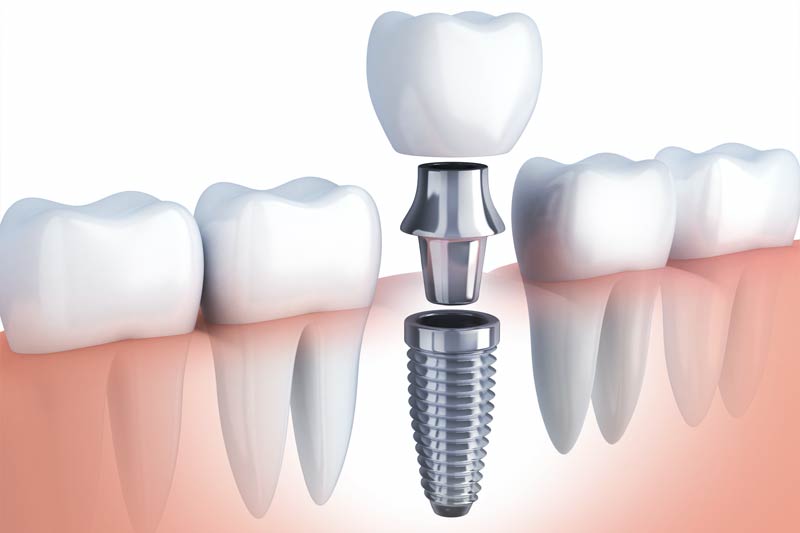
Dentists trained in dental sleep medicine can administer validated screening questionnaires, coordinate home sleep testing, and fit patients with oral appliances — custom devices that reposition the jaw during sleep to keep the airway open, reduce apnea events, and lower the physiological burden on the cardiovascular system (van der Veld et al., 2018).
What’s the first step for someone who thinks they might have sleep apnea?
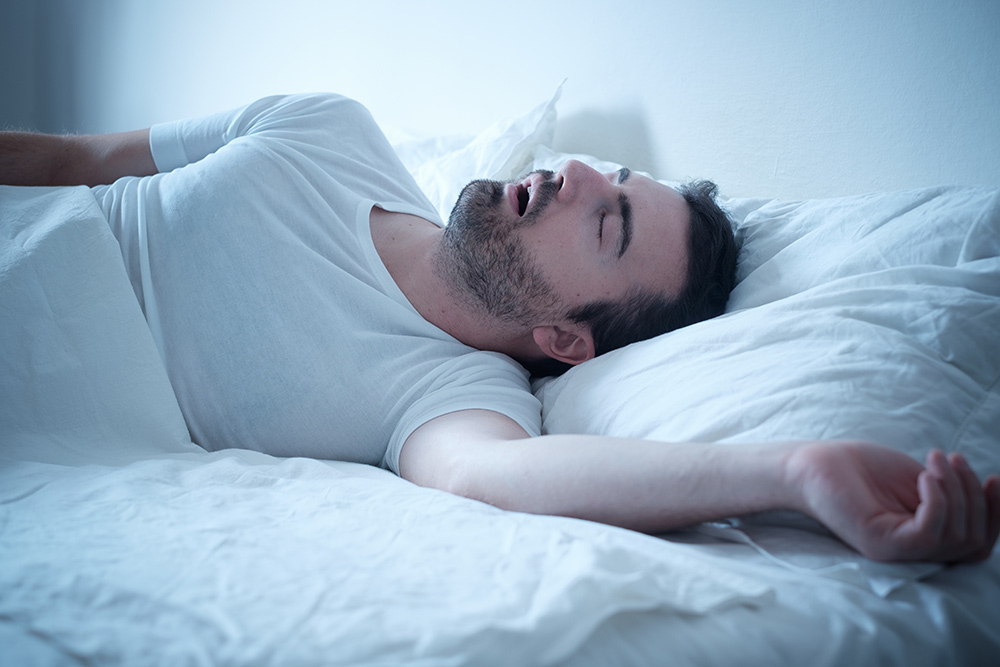
Pay attention to what’s already there: loud snoring, morning headaches, waking up feeling like you didn’t sleep, or a partner reporting that your breathing stops at night. A home sleep test can confirm a diagnosis without an overnight lab stay. From there, treatment is matched to severity, anatomy, and lifestyle. For patients with mild to moderate OSA or CPAP intolerance,
oral appliance therapy is a well-tolerated, evidence-supported option (van der Veld et al., 2018). The most important move is not letting the symptoms sit. Understanding OSA’s cardiovascular burden is now shaping how clinical trials are designed and what gets measured in practice (Labarca et al., 2023) — and for individual patients, early diagnosis and treatment is where that research becomes real.
Taking the Next Step
If you snore, wake up tired, or have blood pressure that won’t fully respond to medication, sleep apnea may be part of the picture. A dental sleep medicine provider can screen you, coordinate a home sleep test, and fit you with an oral appliance that protects your airway — and your heart
— while you sleep. Call our office to get started.