Root Canal Retreatment & Apicoectomy in Thousand Oaks: 10 Questions Answered by Dr. Rad of 805 Dentistry
At 805 Dentistry in Thousand Oaks, our goal is to save natural teeth whenever possible. Sometimes, a previous root canal may fail, or an infection persists at the tip of the root. In these cases, root canal retreatment or an apicoectomy may be necessary. Dr. Dar Radfar answers the most common questions about these advanced endodontic procedures.
1. What is root canal retreatment?
Root canal retreatment is a procedure performed when a previous root canal fails. The tooth is reopened, old filling material is removed, and the canals are cleaned, disinfected, and refilled to resolve infection and save the tooth.
2. What is an apicoectomy?
An apicoectomy is a minor surgical procedure used when infection persists at the tip of a tooth’s root, even after root canal therapy. The tip of the root (apex) is removed, the area is cleaned, and a small filling is placed to seal the root, preventing further infection.
3. Why might a root canal fail?
A root canal may fail due to:
- Missed canals or complex root anatomy
- Cracks or fractures in the tooth
- New decay or leakage in the crown
- Persistent infection that was not fully treated
4. Who is a candidate for retreatment or apicoectomy?
Patients with:
- Persistent pain or swelling after a root canal
- Recurrent infection or abscess
- Radiographic evidence of a root-tip infection
Dr. Rad evaluates each case to determine the most effective treatment to save your tooth.
5. Is the procedure painful?
No. Local anesthesia ensures comfort during both root canal retreatment and apicoectomy. Mild soreness after the procedure is normal, but it can usually be managed with over-the-counter or prescribed pain medication.
6. How long does the procedure take?
- Root canal retreatment typically takes 60–90 minutes, depending on tooth complexity.
- An apicoectomy usually takes 60 minutes, including anesthesia and post-operative care.
Recovery time varies, but most patients return to normal activities within a few days.
7. Are these procedures successful?
Yes. When performed by an experienced dentist or endodontist like Dr. Rad, success rates are high. Root canal retreatment and apicoectomy can often save teeth that would otherwise require extraction.
8. How do I care for my tooth after the procedure?
- Take medications as prescribed
- Avoid chewing on the treated tooth until fully restored
- Maintain good oral hygiene with gentle brushing and flossing
- Attend follow-up appointments to ensure healing
9. Is there an alternative to retreatment or apicoectomy?
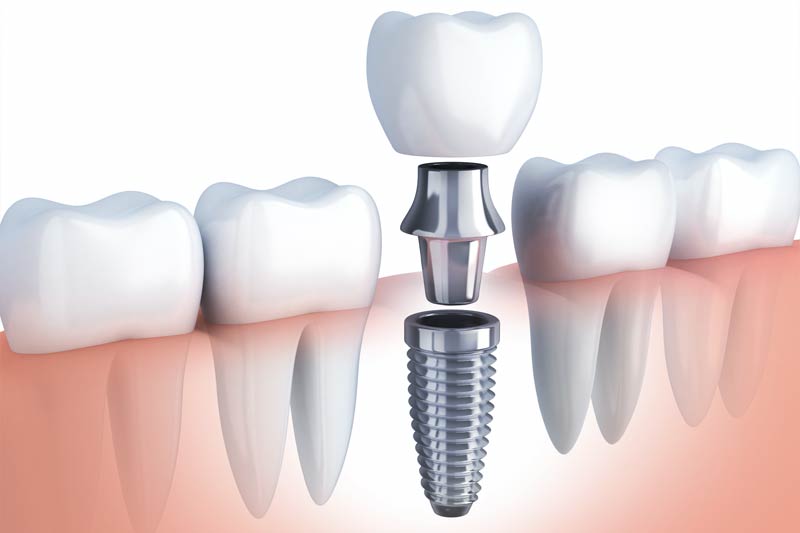
The main alternative is tooth extraction followed by replacement options such as a bridge, denture, or dental implant. Preserving the natural tooth is generally preferred whenever possible.
10. Why choose 805 Dentistry for root canal retreatment and apicoectomy in Thousand Oaks?
At 805 Dentistry, we combine precision, modern technology, and patient-focused care. I personally evaluate each tooth, discuss all treatment options, and ensure the procedure is as comfortable and effective as possible. Our goal is to save your natural teeth while eliminating infection and pain.
Final Thoughts from Dr. Rad
Persistent dental infection doesn’t have to mean losing your tooth. Root canal retreatment and apicoectomy at 805 Dentistry provide advanced solutions to preserve your natural teeth and protect your smile. Schedule a consultation today to see if these procedures are right for you. 📍 805 Dentistry – Thousand Oaks, CA
🌐 www.805Dentistry.com
📞 Call us today to book your root canal retreatment or apicoectomy consultation with Dr. Rad!